
Mastering AI Citation Tracking & GEO: Your 2026 Guide to Dominating AI Search
Discover why AI citation tracking and Generative Engine Optimization (GEO) are critical for SaaS growth in 2026, and how Thoth AI-CMO automates your visibility.
On this page
Table of contents
1. The Rise of AI Citations and Generative Engine Optimization (GEO)
Traditional SEO is no longer enough to guarantee visibility. As search behavior pivots toward AI-driven conversational interfaces, the focus has broadened from basic Search Engine Optimization (SEO) to encompassing Answer Engine Optimization (AEO) and Generative Engine Optimization (GEO).
AI citations—the explicit or implicit references made by Large Language Models (LLMs) when generating answers—are the new currency of brand authority. Whether it's Google AI Overviews, ChatGPT, or Perplexity, being cited by an AI means your brand is recognized as a definitive source of truth. For SaaS companies, adapting to this new paradigm is no longer optional.
In this guide, we will explore why AI citation tracking is paramount in 2026, and how a specialized platform like Thoth AI-CMO, from Distribution Studio, can help you navigate and conquer this evolving landscape.
2. Understanding AI Citation Patterns: How Models Source Information
Not all AI models attribute information the same way. To effectively optimize, you must understand their distinct citation patterns:
- Google AI Overviews: Google's generative search heavily relies on its existing index but tends to cite sources that are highly structured. Crucially, studies have shown that AI Overviews frequently pull from the top 30% of a given webpage. If your core answer isn't front-and-center, it likely won't be cited.
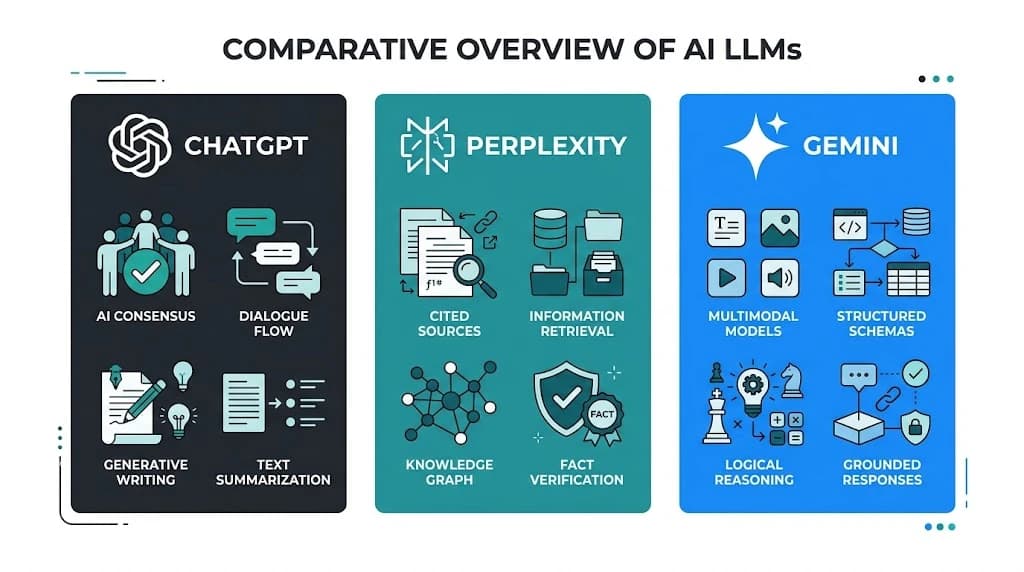
- Perplexity AI: Perplexity operates more like a traditional research assistant, emphasizing explicit source attribution and direct in-line citations. Winning real estate here means prioritizing clear, factual, and deeply researched content.
- ChatGPT, Claude, and Gemini: These conversational models integrate and synthesize information fluidly. While they are increasingly adopting explicit link citations (like ChatGPT's web browsing features), they also generate "implicit citations"—referencing your brand's methodologies or terminology without a direct hyperlink.
The overarching challenge for marketers? Tracking these citations across diverse, walled-garden AI platforms is incredibly difficult without specialized automation.
3. The Imperative of AI Citation Tracking for SaaS Businesses
Why should SaaS founders care about an AI overview citation tracker? The answers lie in authority, traffic, and competitive edge.
- Brand Authority and Trust: Being cited by leading AI platforms instantly builds credibility. When ChatGPT or Perplexity recommends your SaaS as the solution to a user's problem, that is high-intent, trustworthy validation.
- Visibility and Traffic: Even if indirect, AI citations drive awareness. Users frequently look up the brands mentioned in generative responses, creating a new pipeline of high-converting "AI-assisted" organic traffic.
- Competitive Advantage: The SaaS market is saturated. Adopting an AI citation tracking strategy now gives you a first-mover advantage over competitors still relying strictly on legacy SEO tactics.
- Measuring Impact: To win, you need to track the right GEO metrics. This includes citation frequency, the context/sentiment of the mention, and your source position within the AI's generated response.
4. Generative Engine Optimization (GEO) Strategies for Maximum AI Visibility
If traditional SEO is about keywords and backlinks, Generative Engine Optimization is about structure, clarity, and authority. Here are the core strategies to maximize your AI visibility:
- Structured Content: AI crawlers need to digest your content efficiently. Optimize using clear
<H2>and<H3>headings, robust FAQs, and strict schema markup. The easier it is for a bot to parse, the more likely it is to be cited. - Clarity and Conciseness: Write for the AI's summarization engine. Provide direct, jargon-free answers to complex questions early in your content.
- Topical Authority: Build comprehensive content hubs. LLMs prefer sources that demonstrate deep, holistic expertise on a subject rather than thin, keyword-stuffed pages.
- Freshness and Recency: The AI models of 2026 heavily favor up-to-date data. Regularly refreshing your content ensures it remains relevant for generative answers.
- Trustworthiness (E-E-A-T): Expertise, Experience, Authoritativeness, and Trustworthiness matter more than ever. AI models are fine-tuned to avoid hallucinations by anchoring to highly trusted domains.
5. How Thoth AI-CMO Empowers Your AI Citation and GEO Strategy
Tracking and optimizing for AI models manually is nearly impossible. This is where Thoth AI-CMO steps in as your autonomous growth engine, shifting you from manual data gathering to seamless execution.
- Comprehensive AI SEO/AEO/GEO Audit: Thoth continuously scans your domain to identify current citation gaps, structural flaws, and immediate optimization opportunities that traditional SEO tools miss.
- Advanced AI Citation Tracking: Thoth monitors your brand's mentions and explicit citations across Google AI Overviews, Perplexity, and other major platforms, giving you a unified dashboard of your generative visibility.
- AI-Optimized Blog Generation: Stop guessing what AI crawlers want. Thoth automatically generates highly structured, AI-ready content designed specifically to trigger citations and build topical authority.
- Self-Learning Campaigns: Unlike static marketing tools, Thoth operates on an autonomous loop. It learns from your citation outcomes, refining its content generation and GEO strategy continuously to improve your rankings over time.
6. Practical Steps to Implement AI Citation Tracking and GEO
Ready to shift your strategy? Here is a step-by-step guide to get started:
- Audit Your Current Baseline: See where you currently stand. Run searches for your core SaaS use cases in Perplexity and Google AI Overviews. Are you cited?
- Restructure High-Value Pages: Take your top-performing blog posts and restructure them. Add "TL;DR" summaries at the top and ensure your headings directly answer user questions.
- Implement an AI Overview Citation Tracker: Move beyond manual checking. Utilize a tool to monitor your brand's visibility in generative responses systematically.
- Publish for the Machine: Shift your content strategy to emphasize deep, factual, and highly structured guides (like
llms.txtintegrations). - Automate the Loop: Let an agent handle the execution. Try Thoth AI-CMO to automate the heavy lifting of continuous GEO auditing and content creation.
Don't get left behind in the generative shift. Try Thoth AI-CMO's free AI visibility audit today and see exactly how AI search engines view your SaaS.
7. Conclusion: The Future of Search is Generative
The transition from a link-based search economy to a generative, answer-based economy is fully underway in 2026. Traditional SEO will survive, but the massive growth opportunities now lie in Answer Engine and Generative Engine Optimization.
By mastering AI citation tracking and implementing robust GEO strategies, you ensure your SaaS remains visible, authoritative, and trusted. Thoth AI-CMO is built specifically for this new era—serving as your essential partner to future-proof your marketing efforts and drive autonomous growth.